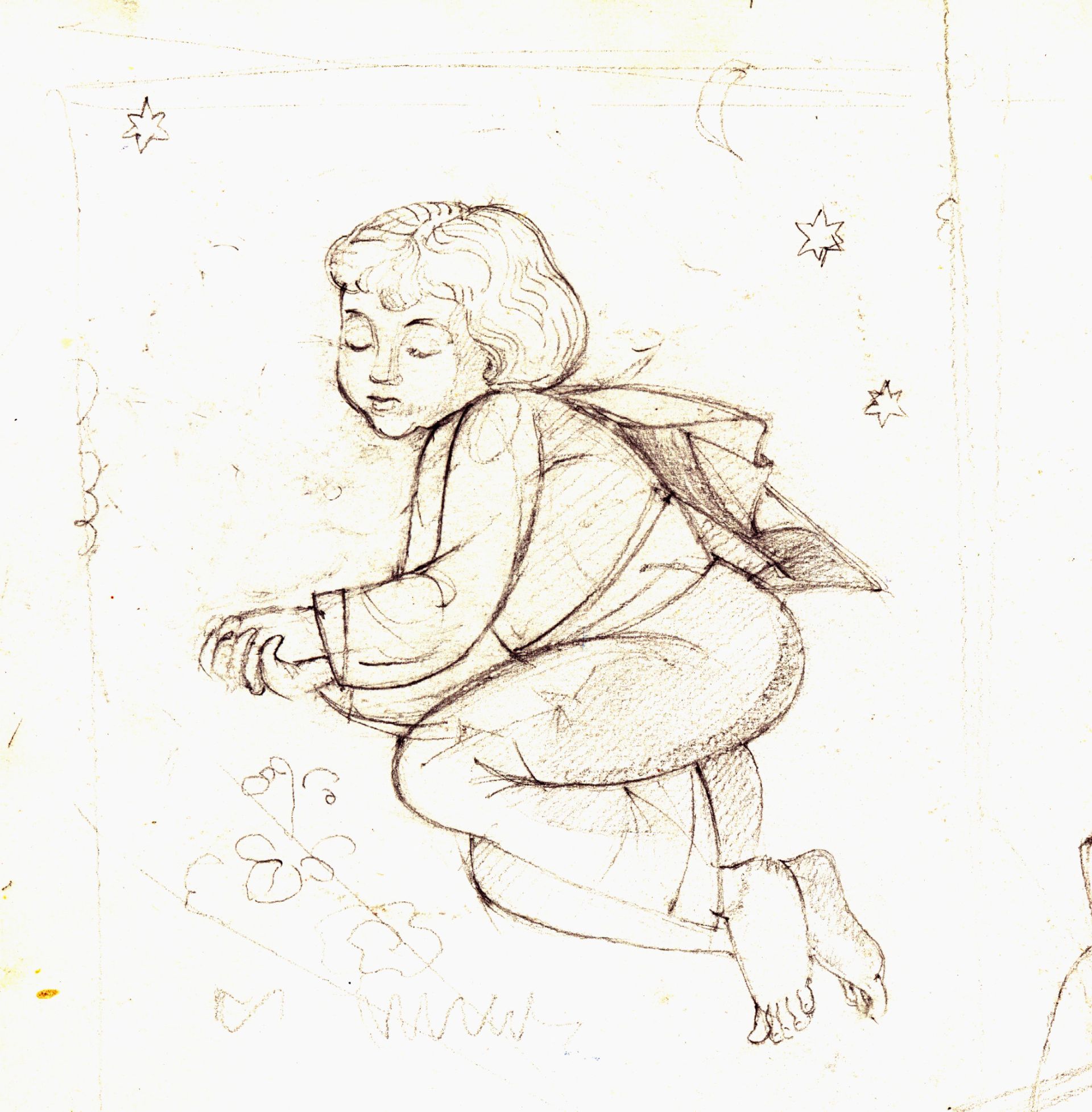
Next, these dreams reminded me of something I have experienced many times: dreams speak in images long before they speak in words. They rarely arrive as neat explanations, and when we demand a quick meaning, the dream often goes quiet.
They do not explain. They show.
If you do one thing, do this: stay with the image for 10 minutes before you interpret it. Write down 3 specific details you can actually see in the dream, like the color of the light, the texture of a door, the shape of a creature, or where your body is standing.
Here’s the catch: this works best when you let the image be strange, even a little embarrassing, and you do not force it into a tidy story. It fails when you rush to translate it into a lesson or a to-do list, like you are filing it away to be productive.
In practice, painting the image can be the gentlest way to stay. Try a simple 20-minute sketch in any medium and focus on:
One main symbol (a key, a river, a mask)
One mood color (smoky blue, raw umber, gold)
One small action (opening, hiding, waiting)
A common mistake is trying to paint the dream “correctly,” as if you are copying a photograph. The fix is to paint the feeling of it instead, then give the image a title like “The Door That Would Not Open” or “The Soft Warning,” and see what starts to speak back.